Everything Worth Knowing About Glutathione Injections Before You Try Them
Glutathione injections have become increasingly popular in the longevity and wellness space. Interest in the molecule has grown because glutathione plays a major role in antioxidant defense, detoxification, immune support, and cellular health.
So what is GSH? Glutathione, often shortened to GSH, is naturally produced inside the body. Every cell uses it. When glutathione levels become depleted, the effects may show up as fatigue, slower recovery, increased oxidative stress, and reduced resilience to illness or environmental stressors. The injectable format exists because glutathione is difficult to absorb efficiently through the digestive system. Subcutaneous injections bypass digestion and deliver glutathione directly beneath the skin, where it can be absorbed into circulation more effectively.
The growing interest in glutathione injections comes down to one important idea: glutathione levels tend to decline with age and chronic stress, and researchers continue studying how restoring those levels may support healthy aging and cellular function.
What Glutathione Actually Does
Glutathione is made from three amino acids: glutamine, glycine, and cysteine. It is sometimes referred to as the body’s “master antioxidant” because it helps regulate oxidative stress throughout the body.
One of glutathione’s main jobs is neutralizing free radicals before they damage cells, proteins, or DNA. Oxidative stress naturally builds over time due to aging, environmental exposure, inflammation, poor sleep, alcohol use, stress, and processed foods. Glutathione also helps recycle other antioxidants, such as vitamins C and E, back into their active forms.1 That makes it an important part of the body’s broader antioxidant network.
Inside cells, glutathione exists in two forms:
- Reduced glutathione (active form)
- Oxidized glutathione (used form)
Healthy cells maintain most glutathione in the active reduced state. When oxidative stress becomes too high, cells burn through glutathione faster than they can regenerate it. Researchers often view this balance as one marker of overall cellular health.
Glutathione and Detoxification
Another major role of glutathione involves liver detoxification. Glutathione helps bind toxins, heavy metals, waste products, and drug metabolites so the body can remove them more efficiently through urine or bile. Without adequate glutathione levels, these detoxification pathways may not function as efficiently.
Researchers have studied low glutathione levels in connection with several chronic health concerns2, including:
- Liver disease
- Cardiovascular disease
- Diabetes
- Neurodegenerative disorders
- Pulmonary disease
- Chronic inflammation
This does not mean glutathione injections treat these conditions. However, it helps explain why researchers continue studying glutathione’s role in overall health and longevity.
The Connection Between Glutathione and Aging
Glutathione levels naturally decline with age. Chronic stress, poor sleep, environmental toxins, alcohol use, and inflammation may accelerate that decline even further. Researchers studying healthy aging have found that some centenarians maintain higher glutathione levels compared to average aging populations3. That does not prove glutathione alone increases lifespan. But it does support the idea that maintaining antioxidant balance may play a role in healthy aging. Because oxidative stress is strongly connected to cellular aging, glutathione has become a major area of interest in longevity medicine.
Why Injections Became Popular
The biggest challenge with glutathione supplementation is bioavailability.
Oral glutathione supplements must survive stomach acid and digestion before entering circulation. During digestion, much of the molecule may break apart before it can be fully utilized. Some oral supplements may still help support glutathione production indirectly by supplying precursor nutrients, but direct absorption remains a limitation. IV glutathione therapy became popular because it bypasses the digestive system completely. However, IV therapy is expensive, time-consuming, and usually requires clinic visits. Subcutaneous glutathione injections offer a middle-ground option. The injections bypass the digestive tract while remaining far more practical than IV infusions. Most are self-administered at home using a small insulin-style syringe into fatty tissue areas such as the abdomen, flank, or back of the arm. The convenience and accessibility of the injection format are major reasons for its growing popularity.
What Glutathione Injections May Support
Researchers continue studying glutathione for its potential role in several areas of health and longevity.
Glutathione injections may help support:
- Antioxidant defense
- Detoxification pathways
- Cellular health
- Immune system function
- Recovery from oxidative stress
- Healthy inflammatory balance
- Healthy aging processes
Glutathione also appears to influence immune cell activity, including macrophages, T cells, and natural killer cells. Researchers are continuing to study how glutathione levels may affect immune resilience and inflammatory responses.
Storage and Handling Matter
Glutathione is a fragile molecule. Heat, light, and oxygen exposure can reduce stability and potency over time. That is why compounded glutathione injections are typically refrigerated during shipping and storage. Improper handling or poor compounding practices may affect the quality of the final product. Because of this, sourcing matters significantly with injectable products.
Glutathione injections are prescription-based products prepared by licensed pharmacies. Medical oversight helps ensure the formulation, sterility, and dosing are appropriate for the individual. Platforms such as AgelessRx provide this service to help oversee treatment protocols and ongoing monitoring.
Practical Things to Know Before Trying Them
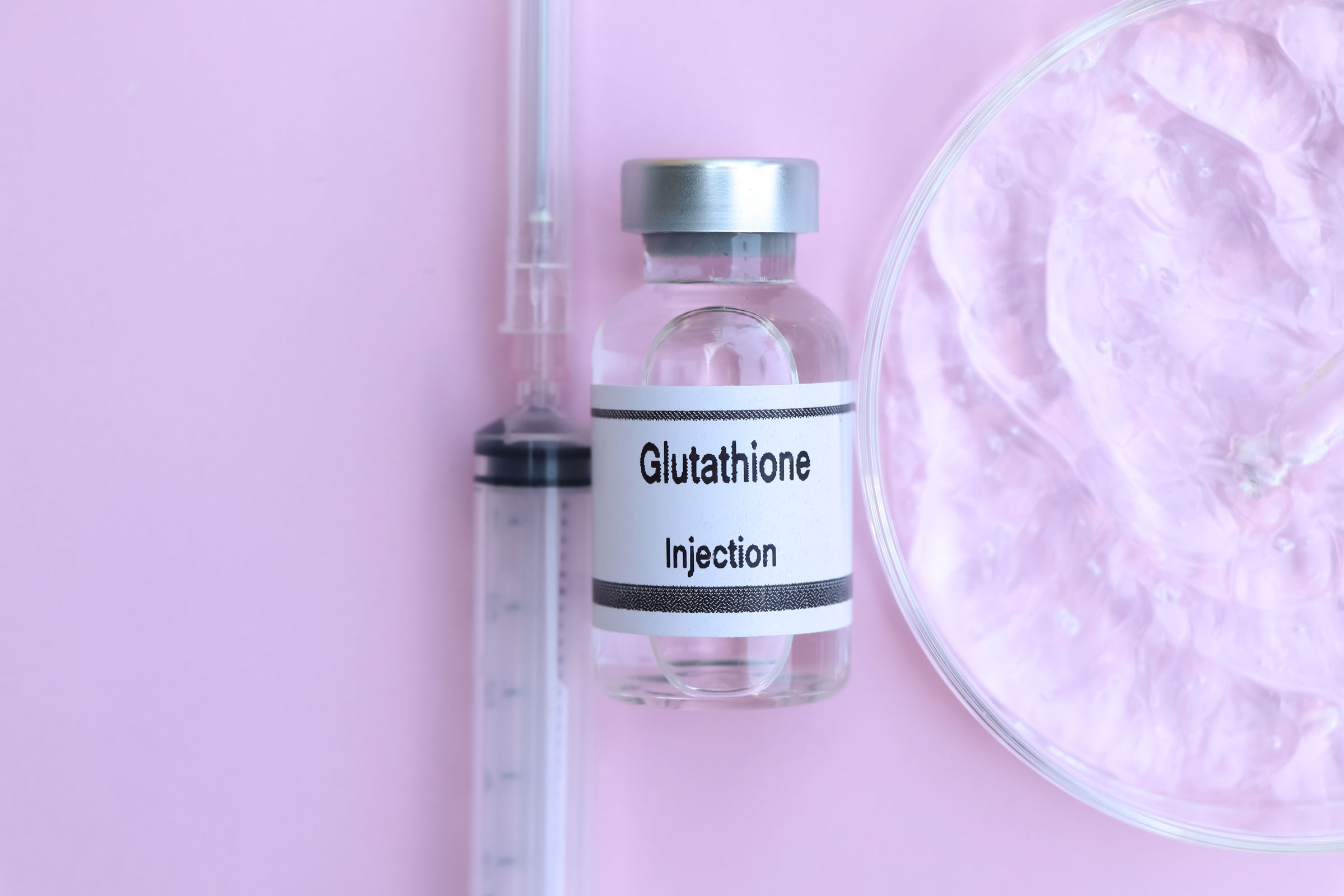
Most glutathione injections are administered with a small insulin-style needle. The injection is placed into the fat layer beneath the skin rather than directly into muscle.
Many people describe the injection as a quick pinch with mild discomfort.
Providers typically recommend:
- Rotating injection sites
- Cleaning the skin beforehand
- Using a fresh sterile needle each time
- Keeping vials refrigerated
- Starting with lower doses initially
Dosing adjustments are usually based on provider guidance, health goals, and individual response.
Final Thoughts
Glutathione is not an exotic compound or a wellness trend invented overnight. It is a naturally occurring molecule the body relies on every day for antioxidant defense, detoxification, and cellular protection.
The reason glutathione injections have gained attention is that they may offer a more bioavailable way to support levels that naturally decline with age and stress.
At the same time, glutathione injections are not a shortcut around healthy living. Sleep, exercise, nutrition, stress management, and minimizing toxin exposure still matter far more to long-term health outcomes.
The more balanced perspective is that glutathione injections may serve as one supportive tool within a broader healthy aging strategy, not a standalone solution.
1-https://www.sciencedirect.com/science/article/abs/pii/S0065242318300398
2-https://pmc.ncbi.nlm.nih.gov/articles/PMC10216386/
3-https://pmc.ncbi.nlm.nih.gov/articles/PMC11872877/

Related Article